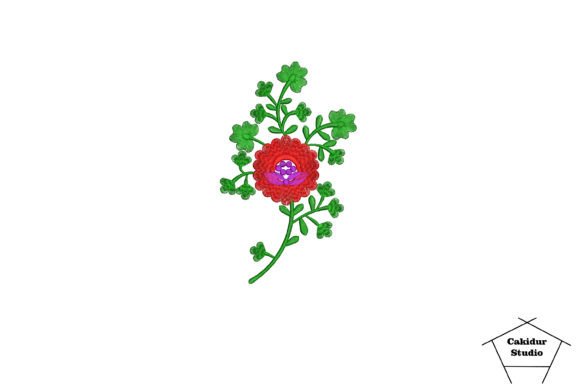
Creative Tree
First Impressions: A Cozy and Artistic Statement
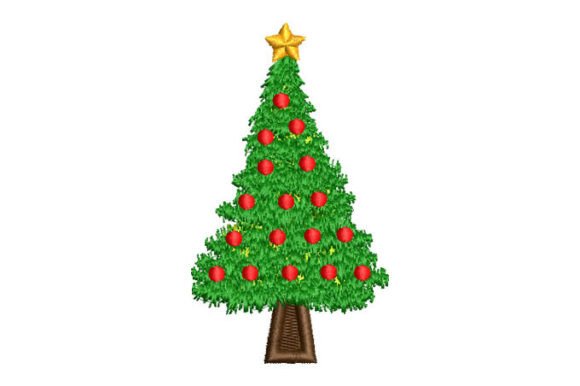
The Creative Tree embroidery design immediately feels like a blend of nature and creativity. Its artistic yet approachable style suggests it could work well in both casual and professional settings. The title itself hints at a connection to the Forest category, which aligns with its organic and textured appearance. It’s not overly bold or too subtle—just right for a brand looking to make a gentle yet memorable impression.
Design Performance in Real Business Use
As an experienced embroidery designer, I’ve seen many designs fall short when applied to commercial projects. Creative Tree, however, shows promise across several business applications. It could serve as a branded patch, a chest logo accent, or even a sleeve detail on custom apparel. Its intricate branches and leafy textures offer enough visual interest without overwhelming the fabric.
For cap embroidery, the design’s compact elements make it suitable for front panels, though careful placement is needed to avoid overcrowding. On tote bag designs, it can act as a subtle signature element that adds character without overpowering the product. Apron embroidery also benefits from this design, especially in kitchens or craft studios where functionality meets aesthetics.
When considering product packaging accents, Creative Tree could be used as a small embroidered label or sticker. This makes it ideal for small business merch such as tote bags, mugs, or stationery. For Etsy branding or craft business assets, the design offers a versatile option that can be adapted to various formats and sizes.
Considerations for Commercial Embroidery Projects
While Creative Tree has strong visual appeal, there are some considerations to keep in mind before production. The design’s detailed outlines and high stitch density may require a larger hoop size than expected. If you're planning to use it on small patches, test it first in black and white to ensure clarity and legibility.
Additionally, the design’s texture and complexity might show up more prominently on dark uniforms or textured fabrics. This could affect how it looks on finished products, especially if the fabric isn’t smooth or uniform. Testing on real fabric is crucial before mass production to avoid costly mistakes.
For caps and curved surfaces, the design’s layout should be carefully reviewed to ensure it fits within the available space without distortion. Similarly, if the design includes tiny lettering or intricate details, it may not translate well at smaller scales. Always check the hoop size and stabilizer requirements to maintain quality during embroidery.
Impact on Brand Identity and Customer Engagement
The Creative Tree design can significantly influence brand identity. Its natural and artistic feel makes it perfect for businesses in the Forest theme, such as eco-friendly boutiques, local cafés, or handmade shops. By incorporating this design into custom apparel or product labels, brands can create a cohesive and visually appealing image that resonates with their target audience.
From a customer trust perspective, a well-executed embroidery design like Creative Tree can enhance the perceived value of a product. When customers see a professionally designed emblem or logo, they’re more likely to associate it with quality and professionalism. This is especially important for handmade products and small business merch, where presentation plays a key role in customer perception.
Moreover, the design’s unique visual personality can help boost buyer engagement. Whether it's used on apron embroidery or event merch, Creative Tree has the potential to stand out and leave a lasting impression. Its versatility also allows it to be adapted for different marketing campaigns, ensuring long-term relevance and use.
Practical Tips for Embroidery Designers
As an embroidery designer, I recommend following these steps before using Creative Tree in a commercial project:
- Test in black and white to ensure clarity and contrast.
- Check compatibility with small patch sizes to avoid distortion.
- Review thread color contrast to ensure visibility on different fabric types.
- Inspect spacing to prevent overcrowding or imbalance in the design.
- Confirm hoop size to accommodate the design’s complexity and detail.
- Test on real fabric to assess how it performs in actual conditions.
- Use proper stabilizer to maintain fabric integrity during embroidery.
- Create a printable mockup for client approval and visual consistency.
- Compare it with other design assets to ensure visual harmony.
- Confirm commercial licensing before using it for business purposes.
By taking these steps, you’ll be able to maximize the potential of Creative Tree while minimizing risks associated with commercial embroidery projects.